Company News

Hunan Great Steel Pipe Co., Ltd
carbon seamless steel pipe shipment,ASTM A106 Gr,B pipe,carbon seamless steel pipe export,carbon seamless steel pipe

How Is a Carbon Seamless Steel Pipe Order Prepared for Overseas Shipment

Date: 2026-08-28
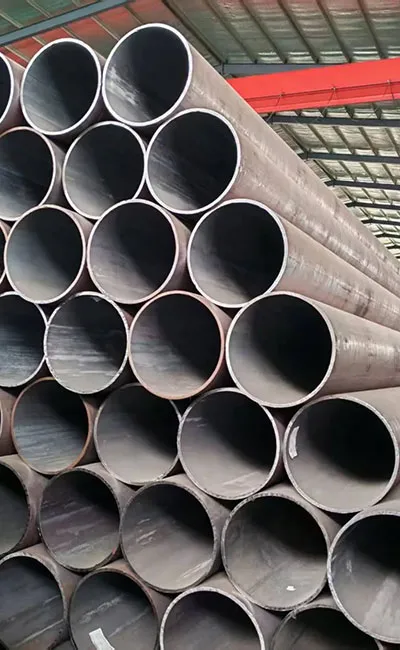
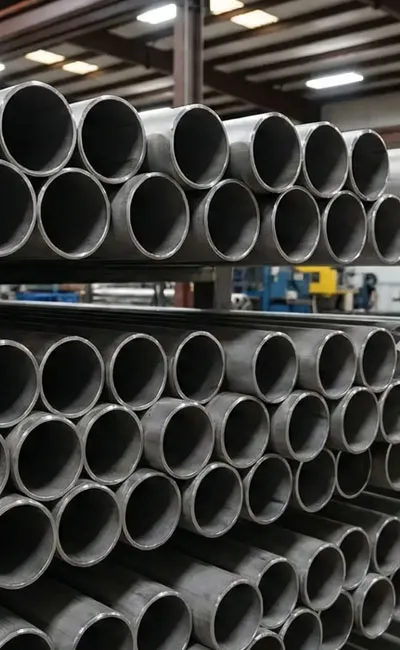
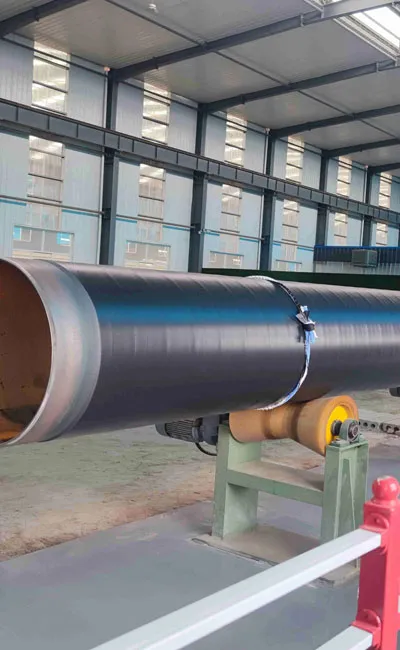
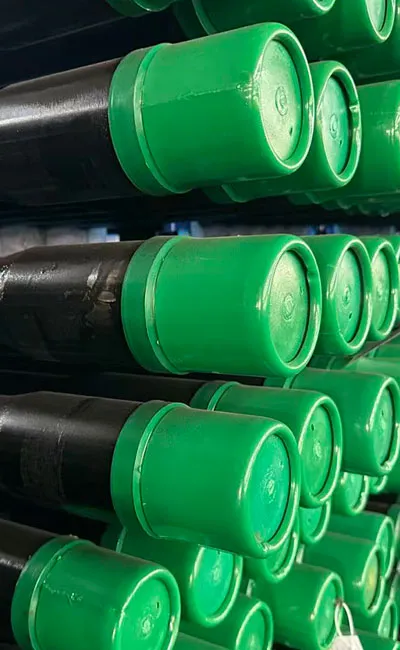
Exporting carbon seamless steel pipe requires more than completing production. Before an order leaves the factory, the pipe must pass through specification review, raw material preparation, manufacturing, inspection, marking, packing, and logistics coordination. We recently prepared a 593-ton carbon seamless steel pipe order for an overseas customer. The order was supplied to ASTM A106/A106M, with a pipe size of 219.1 mm × 8 mm. This shipment provides a practical example of how a large seamless pipe order is prepared for international delivery.


1. Project / Order Background

The order covered 593 tons of carbon seamless steel pipe for an overseas customer. Because the order involved a significant quantity of pipe in one specification, production planning focused on maintaining consistent material identification, dimensional control, inspection records, and shipment preparation throughout the order. The specified ASTM A106/A106M standard is intended for seamless carbon steel pipe for high-temperature service. The current ASTM A106/A106M-26 also defines requirements covering mechanical and specified nondestructive testing. 


2. Customer Requirement

The customer specified the following requirements:

Item

Order Requirement

Product

Carbon Seamless Steel Pipe

Grade

ASTM A106 Gr.B

Size

219.1 mm × 8 mm

Length

6,000 mm / 12,000 mm, as specified

Quantity

593 tons

Standard

ASTM A106/A106M

Inspection

Factory / Third-Party Inspection, as specified

The specification was reviewed before production so that the manufacturing and inspection teams could work against the same technical requirements.


3. Pipe Specification

The supplied pipe has an outside diameter of 219.1 mm and a wall thickness of 8 mm. For an order of this size, dimensional consistency is particularly important. OD, wall thickness, length, pipe ends, and surface condition must be checked against the purchase requirements before the pipes are released for packing. ASTM A106/A106M covers seamless carbon steel pipe in a broad range of nominal sizes and allows other dimensions when the pipe otherwise complies with the specification. 

4. Raw Material Preparation

Production begins with qualified steel billets suitable for manufacturing the specified ASTM A106 Gr.B seamless pipe. Heat-number identification is maintained from the raw material stage through production and final inspection. This creates a traceability link between the billet, finished pipe, inspection results, and Material Test Certificate. For a 593-ton order, maintaining this identification throughout multiple production batches is especially important.

5. Production Process

The carbon seamless steel pipe was manufactured through a controlled seamless production route: Billet Preparation → Heating → Piercing → Rolling → Sizing → Cooling → Heat Treatment, Where Required → Finishing. During production, key parameters are controlled according to the applicable specification and manufacturing procedures. After sizing and finishing, the pipes are prepared for dimensional inspection, surface examination, and the specified mechanical and nondestructive tests.

6. Inspection & Testing

Quality verification is carried out before the finished pipes are released for shipment. The inspection scope for the order includes the requirements agreed with the customer and applicable standard. Typical checks for this type of order include:
  • Chemical composition 
  • Outside diameter 
  • Wall thickness 
  • Length 
  • Surface condition 
  • Mechanical properties 
  • Hydrostatic testing 
  • Nondestructive testing where specified 
  • Heat-number traceability 
ASTM A106/A106M-26 specifies mechanical testing and includes hydrostatic and nondestructive electric testing requirements within its scope. Additional requirements may be included when specified in the order. Inspection records are checked against the corresponding material documentation before shipment preparation.


7. Marking & Packing

After inspection, the accepted pipes are identified according to the customer's marking requirements. Typical identification may include: Grade + Standard + Size + Heat Number + Manufacturer Identification. The pipes are then grouped and prepared for export transportation. For a 593-ton shipment, proper bundling and identification are important not only for safe handling but also for maintaining clear correspondence between the physical cargo and shipping documents.


8. Port Transportation

After factory inspection and packing, the finished pipe bundles are prepared for transportation to the designated export port. The logistics process includes checking:
  • Bundle quantity 
  • Product identification 
  • Packing condition 
  • Loading arrangement 
  • Shipping documents 
  • Transportation requirements 
The objective is to ensure that the pipes arrive at the port in the same identified condition in which they were released from the factory.


9. Loading & Shipment

Before vessel loading, the shipment quantity and bundle identification are checked against the packing documentation. The 593-ton carbon seamless steel pipe order is then prepared for overseas transportation. At this stage, coordination between production, inspection, warehouse, logistics, and shipping teams becomes important. A technically compliant pipe still needs accurate documentation and careful cargo handling to complete an export order successfully.


10. What This Shipment Demonstrates

This order demonstrates the importance of controlling an overseas carbon seamless steel pipe shipment as a complete process rather than treating production and logistics as separate activities. The key control chain is: Customer Specification → Raw Material → Seamless Production → Inspection → Traceability → Marking → Packing → Port Transportation → Shipment. For international buyers, this process provides practical evidence of how a large-volume pipe order is managed from manufacturing through export preparation.


FAQ

Q1: What carbon seamless steel pipe was included in this shipment?
A1: The order covered ASTM A106 Gr.B carbon seamless steel pipe, 219.1 mm × 8 mm, with a total quantity of 593 tons.
Q2: Which standard was used?
A2: The order was specified to ASTM A106/A106M. The current ASTM listing identifies A106/A106M-26 as the active specification for seamless carbon steel pipe for high-temperature service. 
Q3: Why is heat-number traceability important?
A3: Heat-number traceability connects the finished pipe with its original steel heat, production records, inspection results, and MTC.
Q4: What should buyers check before an overseas shipment?
A4: Buyers should verify the pipe specification, quantity, inspection records, heat-number traceability, marking, packing, shipping documents, and cargo condition before shipment.
Q5: Can the same process be used for other carbon seamless pipe orders?
A5: The basic workflow can be applied to other orders, but the actual grade, dimensions, testing, packing, and documentation should always follow the specific purchase order and applicable standard.


Conclusion

Preparing a 593-ton ASTM A106 Gr.B carbon seamless steel pipe order for overseas shipment involves more than manufacturing the required quantity. Material identification, dimensional control, inspection, documentation, marking, packing, and logistics must remain connected throughout the process. For international buyers, this shipment demonstrates how a large-volume carbon seamless steel pipe order can move from technical specification to production, inspection, and export preparation through a controlled workflow. Planning an overseas carbon seamless steel pipe order? Share your grade, dimensions, quantity, applicable standard, inspection requirements, and destination with our technical team for specification review and shipment planning.

Latest news list

  • carbon seamless steel pipe service life,extend carbon steel pipe life,carbon seamless pipe maintenance
    Carbon seamless steel pipe can provide reliable service for many years,but its actual service life depends on how well the pipe matches the operating conditions and how consistently it is inspected and maintained,In industrial service,extending pipe life is not simply about using a thicker pipe or applying a protective coating,A practical approach is to control the factors that cause deterioration: material selection,operating conditions,corrosion,installation,inspection,and maintenance,For in-service piping,inspection programs such as API 570 focus on maintaining the integrity of metallic piping through inspection,rating,repair,and alteration,
  • carbon seamless steel pipe for high temperature service,high temperature carbon steel pipe,ASTM A106 Grade B pipe
    Selecting carbon seamless steel pipe for high-temperature service is not simply a matter of choosing a pipe with a high tensile strength,As temperature increases,the material's allowable stress,dimensional stability,oxidation behavior,and long-term performance can change,A more reliable selection process is: Design Temperature → Pressure → Material Grade → Wall Thickness → Heat Treatment → Standard → Inspection,ASTM A106,A106M-26 specifically covers seamless carbon steel pipe for high-temperature service,while ASTM A335,A335M-26 covers seamless ferritic alloy-steel pipe intended for high-temperature applications,
  • carbon seamless steel pipe,carbon seamless steel pipe buying guide,buy carbon seamless steel pipe
    Buying carbon seamless steel pipe should start with the project specification,not the supplier's price list,A pipe may look competitive but still create problems if the steel grade,dimensions,testing,traceability,or documentation do not match the actual requirement,For international buyers,procurement also involves production lead time,export packing,transportation,and stock availability,A practical pre-purchase check should therefore cover the pipe itself,the supplier,and the complete delivery process,
  • carbon seamless steel pipe failure,seamless steel pipe failure prevention,carbon steel pipe failure
    Carbon seamless steel pipe is widely used in industrial,energy,process,and infrastructure systems,Its seamless construction removes longitudinal weld-related defects as one potential failure mechanism,but it does not eliminate corrosion,cracking,fatigue,overpressure,or service-related deterioration,In practice,preventing pipe failure requires more than checking the pipe itself,A useful engineering approach is: Problem → Possible Cause → Inspection → Corrective Action,This approach helps maintenance teams identify the mechanism behind deterioration instead of simply replacing damaged pipe,For in-service metallic piping within its scope,API 570 covers inspection,rating,repair,and alteration practices,
  • carbon seamless steel pipe,carbon seamless pipe,seamless steel pipe,carbon seamless steel pipe supplier
    Choosing the right carbon seamless steel pipe is not simply a matter of comparing prices per ton,The pipe must match the application,operating conditions,dimensions,material grade,manufacturing standard,inspection requirements,and project documentation,For international buyers,supplier capability and delivery reliability also matter,A lower purchase price can lose its advantage if the material is incorrect,inspection fails,documentation is incomplete,or delivery is delayed,A practical selection process should therefore start with the application and work backward to the pipe specification,

Find what you need ?

close
We use cookies and other tracking technologies to improve your browsing experience on our website, to show you personalized content and targeted ads, to analyze our website traffic, and to understand where our visitors are coming from.